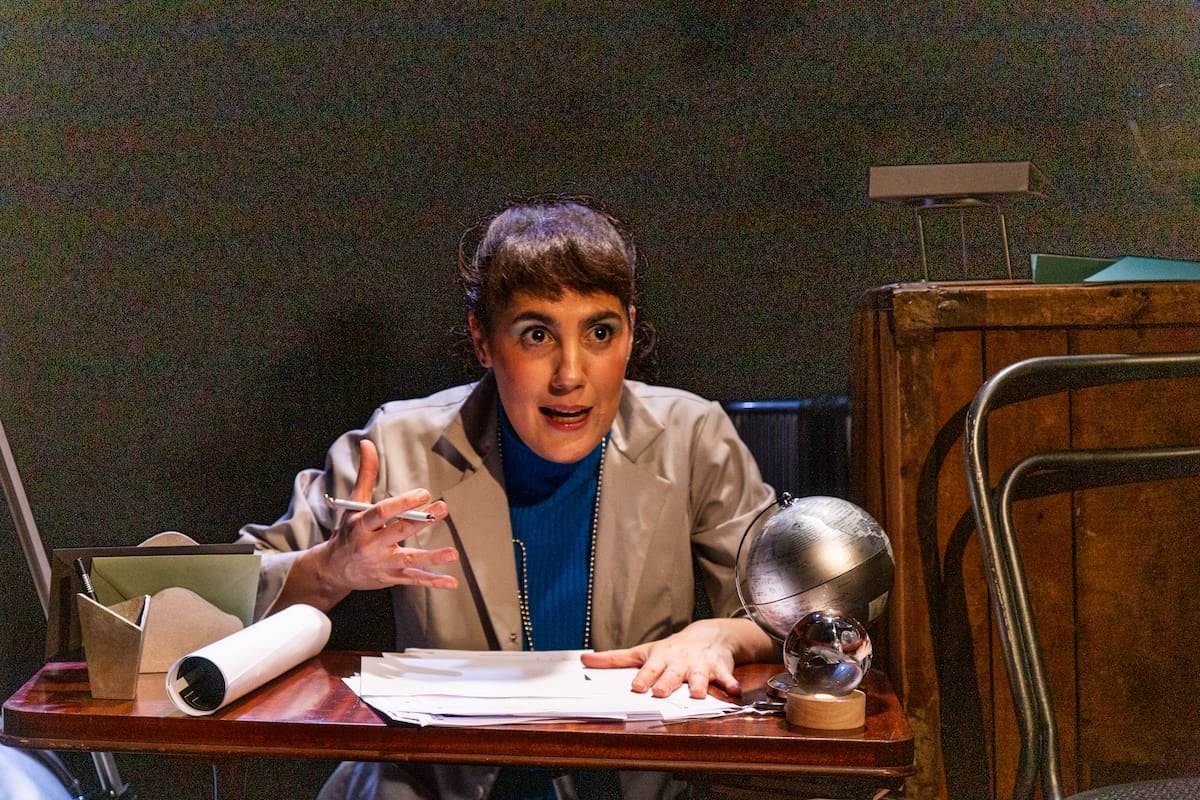
La aristocracia caótica de Grande de España encuentra su propio tono en Netflix
Juan Cavestany y Álvaro Fernández Armero firman una serie breve que empieza como una sátira de-directory y termina atravesada por el romance, la melancolía y una historia deencia social que deja varias preguntas abiertas.
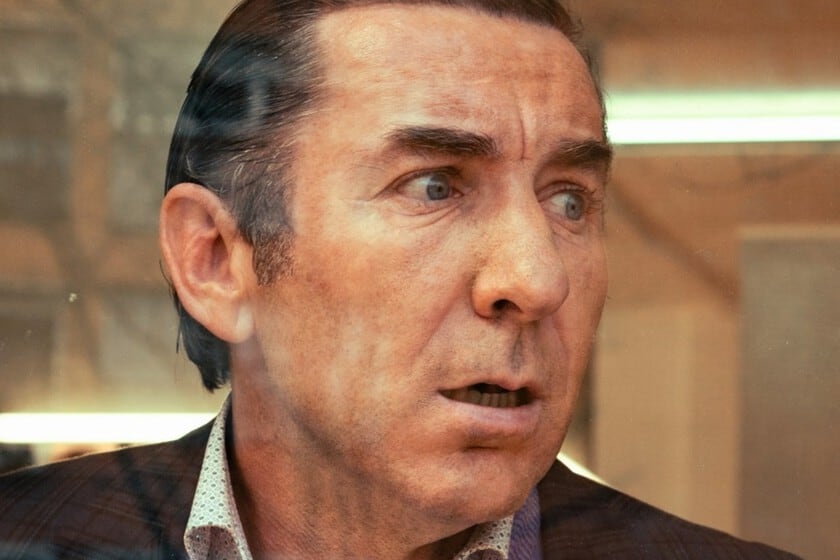
When I started reading about Grande de España, I thought I was facing another comedy about characters who use big names, inherited titles and social connections to hide their problems. But the new Netflix series, available from this Friday, October 23, 2026, gradually moves away from that initial caricature and settles into a more intimate story about two people who need each other precisely because they come from opposite worlds.
Una comedia que cambia de registro
The first impression is clearly satirical: Leandro, played by Antonio de la Torre, is an aristocrat whose circumstances have declined and whose main obsession is to obtain the title of Grande de España while convincing everyone that he has direct contact with the King. From that starting point, the story could have remained a broad joke about vanity, class and appearances. Juan Cavestany and Álvaro Fernández Armero, however, decide not to stay there. As the series progresses, the humor becomes less central and the relationship between Leandro and the character played by Alexandra Jiménez takes over.
The chemistry between the two protagonists is, in my view, one of the strongest elements of the proposal. Their confrontation begins with a comedic logic that resembles a scam story, but little by little incorporates romantic tension, tenderness and melancholy. The tone does not change abruptly; instead, it softens as the characters become emotionally closer, until the result feels less like a conventional comedy and more like a fable about social decline, self-invention and the difficulty of admitting what one really needs.
The format also has a direct impact on the series. With only six episodes, there is no room to develop every corner of the story, and some aspects of the surrounding world remain only sketched. The creators choose to prioritize the central duo, a decision that appears effective in the first analyses, even if it also leaves certain secondary elements less explored. Enric Benavent, for example, plays Leandro's butler and reinforces the emotional logic of the story from its beginning, although his role belongs to a world that does not always receive the same depth as the protagonists.
- Six episodes available on Netflix from Friday, October 23, 2026.
- A series by Juan Cavestany and Álvaro Fernández Armero, creators of Vergüenza.
- Antonio de la Torre and Alexandra Jiménez lead the story.
- The comedy gradually incorporates romance, tenderness and melancholy.
- Enric Benavent plays Leandro's butler, a supporting character who strengthens the emotional framework.
For me, the most interesting question is not whether six episodes are enough to tell a complete story, but whether that limitation can become part of the story itself. Grande de España seems willing to accept that some situations will remain unresolved: the format leaves loose threads, yet it also concentrates the narrative around what matters most, the connection between two characters who begin as opposites and end up exposing their own vulnerabilities. It is a concise production, but one whose ambition is larger than the number of chapters might suggest.
Comentarios
0Todavía no hay comentarios. Sé el primero.
Seguí leyendo
Retraso Inesperado: Dying Light, The Beast aplaza su lanzamiento

Vuelve a la pantalla grande una de las historias más queridas del anime japonés: la chica que aprendió a usar el tiempo a su favor

Regresa 'Nadie Quiere Esto' a Netflix con Nueva Temporada y Elenco Renovado